
C3 Corvette Paint Colors, Codes & Production Quantities 1968-1982
Last reviewed July 2026, maintained by Corvette-C3.com
topChevrolet gave every model year its own short list of exterior colors, each with a factory paint code stamped on the car's trim tag. Matching that code to the list for your year tells you exactly what shade the car wore when it left the factory, which is what you need when you repaint to original color or check a car's history. This site also has a free trim tag decoder that turns the paint code off your Fisher Body tag straight into the colour name. Pick your year below.
Pick your model year
Every year has its own page with the full colour chart for that year: paint code, colour name, how many cars were built in it, what share of production that was, and which interior trims Chevrolet offered with it.
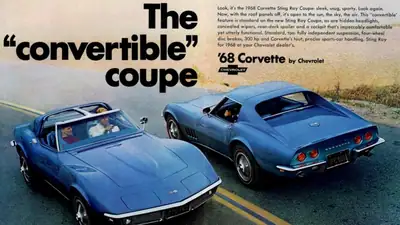
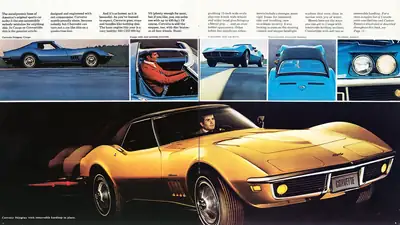
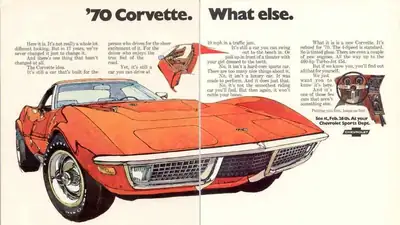
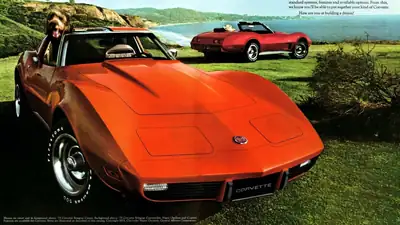
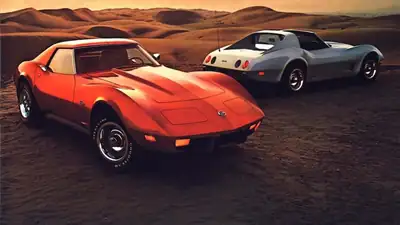
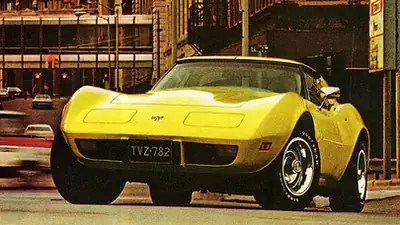
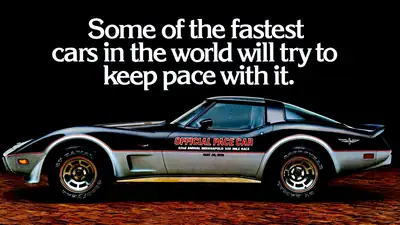
The strip under each advert shows that year's palette. Colours on screen are close approximations.
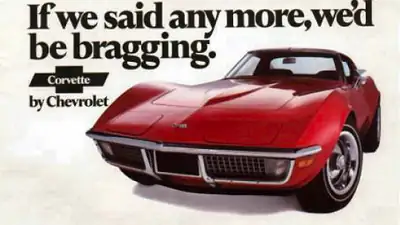
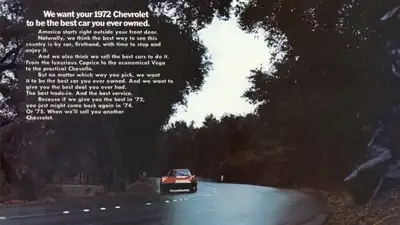
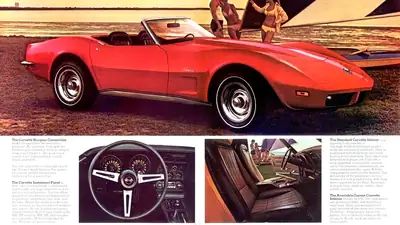
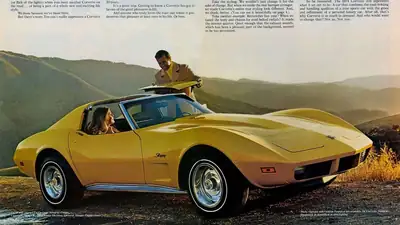
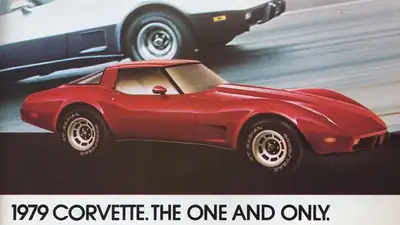
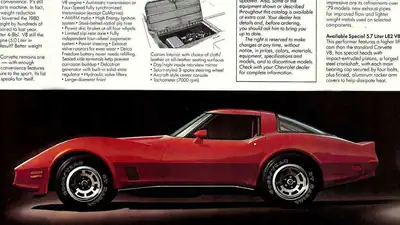
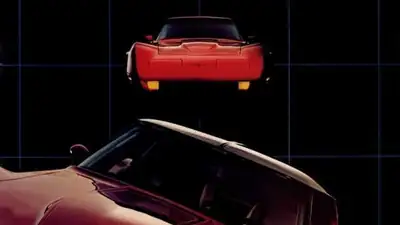
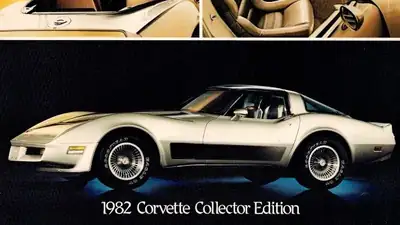

How the palette changed, 1968 to 1982
Look at the fifteen strips above in order and the shift is hard to miss. The 1968 to 1972 cars carry the bright, circuit-inspired names of the late sixties: LeMans Blue, Monza Red, Daytona Yellow, Ontario Orange, Fathom Green. From 1973 onward the palette turns earthy and the names turn plain, with Dark Brown, Light Beige and Mahogany replacing the racing references, and by the last years the brightest thing on the list is often the silver.
Two-tone paint is the other thing that changes. For most of the run the list is ten to twelve solid colours and nothing else. The first factory two-tone comes in 1978, the silver over dark grey of the Silver Anniversary car, and then 1981 and 1982 each offer four two-tone combinations alongside their solid colours. A two-tone carries a paired code such as 33/38, one number for the upper body and one for the lower, which is why those years list more codes than colours.
A handful of colours stayed on the order sheet far longer than the rest:
| Colour | Model years | Span |
|---|---|---|
| Classic White | 11 | 1970-1980 |
| Silver | 9 | 1973-1980, 1982 |
| Bright Yellow | 7 | 1973-1979 |
| Black | 6 | 1977-1982 |
| Red | 6 | 1976, 1978-1982 |
| Dark Brown | 5 | 1974, 1976, 1978-1980 |
Counted by colour name. Where a name skipped a year, the gap shows in the list of years.
Bear in mind that Chevrolet did not record a colour breakdown for 1969, 1970, 1973 and 1974. For those four years the reference books list the colours and codes but no production quantities, and the year pages say so rather than showing an empty column.
Reading the code on your own car
The paint code is on the trim tag, riveted to the driver's side of the dash area and visible with the door open. Depending on the year it sits alongside the interior trim code, the body number and the build date. Two-tone cars show a pair of codes. Each year page repeats this with the detail specific to that year, since the tag layout is not the same from 1968 to 1982. If you have the code but not the name, the trim tag decoder will read it back to you, along with how many cars left the factory in that colour.
Decode your VIN → Decode your paint code → Interior trim codes →